
Maca root has gained tremendous popularity as a natural supplement for energy, hormone balance, and libido enhancement. But before adding this Peruvian superfood to your daily routine, it’s important to understand who can take maca safely, who should proceed with caution, and how to minimize unwanted effects.
This guide breaks down maca root supplement side effects by user type and provides practical dosage recommendations backed by scientific research.
What Is Maca Root?
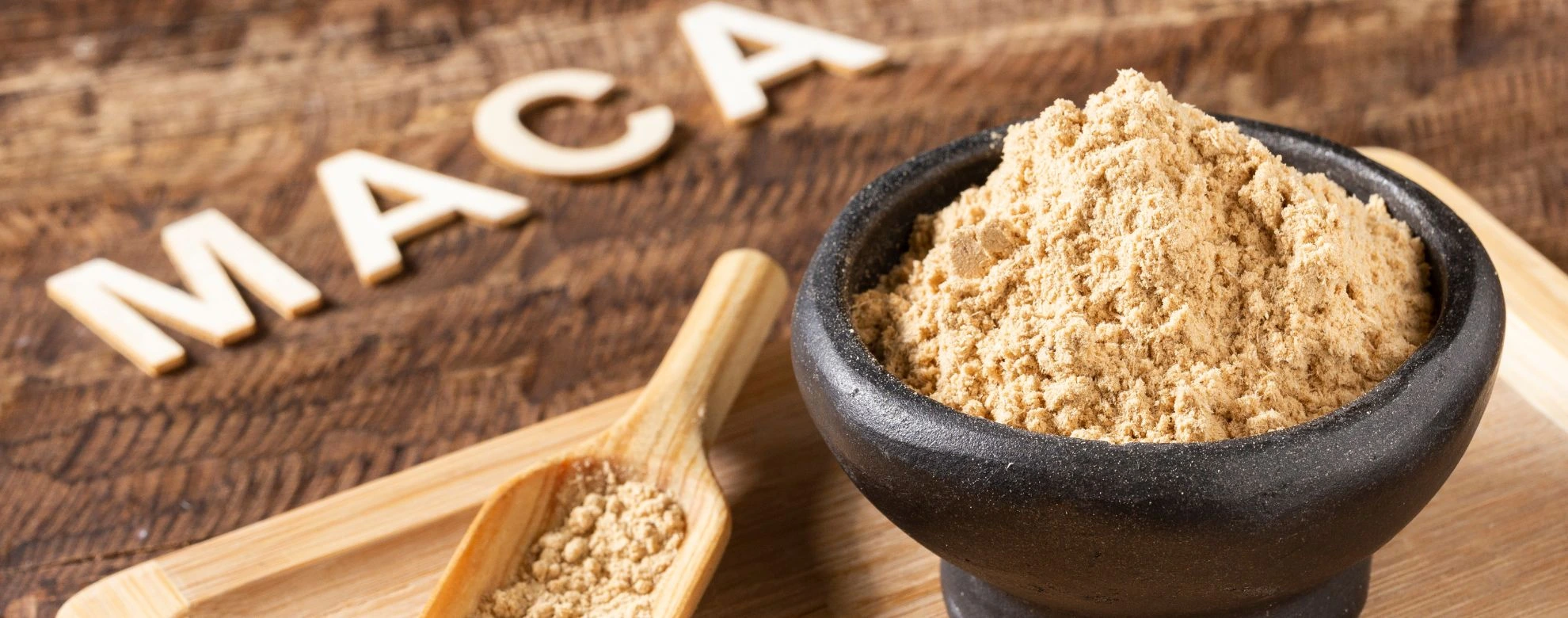
Maca (Lepidium meyenii) is a cruciferous root vegetable native to the high Andes Mountains of Peru. For over 2,000 years, Peruvian natives have consumed maca as both food and traditional medicine. Today, it’s commonly available as powder, capsules, and extracts worldwide.
According to a comprehensive review published in Frontiers in Pharmacology, maca is generally considered safe with rare adverse effects, supported by preclinical studies showing low toxicity and good human tolerance (PMC10910417).
According to a comprehensive review published in Frontiers in Pharmacology, maca is generally considered safe with rare adverse effects, supported by preclinical studies showing low toxicity and good human tolerance (PMC10910417).
Why Maca and Ashwagandha Work Better Together
While maca root offers impressive benefits on its own, combining it with ashwagandha creates a powerful synergy that addresses multiple aspects of wellness simultaneously. This is exactly why Circle of Nature developed its Maca Root and Ashwagandha combination supplement.
Both maca and ashwagandha are classified as adaptogens—natural substances that help your body adapt to stress and maintain balance. However, they work in complementary ways:
- Maca is known for boosting energy, stamina, and libido while supporting hormone balance
- Ashwagandha excels at reducing stress, promoting calm, and supporting restful sleep
When combined, you get the energizing benefits of maca balanced with the calming effects of ashwagandha—giving you sustained energy without the jitters or anxiety some people experience with maca alone
The Circle of Nature Advantage
Circle of Nature’s Maca Root and Ashwagandha Capsules take this combination further by adding Turmeric Curcumin and BioPerine (black pepper extract) to the formula. Here’s why this matters:
- Turmeric Curcumin provides powerful anti-inflammatory and immunity support
- BioPerine enhances nutrient absorption by up to 2,000%, ensuring your body actually utilizes the beneficial compounds
This 4-in-1 formula means Circle of Nature has combined max-strength Maca Root extract (500mg standardized to 5% macamides) with Ashwagandha Root extract (600mg, 10:1 concentration) in every serving—all made in a USA GMP-certified facility.
For those concerned about maca root supplement side effects, this thoughtful combination may actually help. The calming properties of ashwagandha can offset any overstimulation or mood changes some users experience with maca alone, making it a gentler introduction for first-time users.
Common Maca Root Supplement Side Effects
While maca is well-tolerated by most people, some users report mild side effects, particularly when starting supplementation or taking higher doses.
Commonly reported side effects include:
- Mild digestive discomfort or stomach cramps
- Headaches
- Insomnia or sleep disturbances
- Jitteriness or feeling overstimulated
- Mood changes or irritability
- Changes in the menstrual cycle (in women)
- Acne or skin changes
Research from the NCBI’s LiverTox database confirms that side effects of maca are uncommon and mild, mostly including gastrointestinal symptoms and headaches (NCBI Bookshelf).
One clinical study noted that approximately 5 grams of gelatinized maca daily for 30 days caused mild gastrointestinal disturbances in some participants. Another study observed a moderate increase in liver transaminase (AST) and diastolic blood pressure with higher doses over 90 days (PMC10910417).
Who Can Take Maca Safely?
For most healthy adults, maca is considered safe when consumed in recommended amounts. A large observational study of 600 people from the Peruvian Andes found that regular maca consumption showed no significant differences in liver function, kidney function, or lipid profiles compared to non-users.
Maca is generally safe for:
- Healthy adults without hormone-sensitive conditions
- Those seeking natural energy support
- Individuals looking to support hormone balance naturally
- People experiencing mild menopausal symptoms
- Those interested in supporting libido and sexual health
Many maca root Reddit discussions reflect positive user experiences, particularly for energy and mood support. However, individual responses vary significantly, and what works for one person may not work for another.
Who Should Use Caution?
Certain groups should approach maca supplementation carefully and ideally consult a healthcare provider first.
Thyroid Conditions
Maca belongs to the Brassica family (like broccoli and kale), which contains glucosinolates—compounds that can potentially interfere with iodine uptake in the thyroid. For people with hypothyroidism or hyperthyroidism, this warrants caution.
The good news is that gelatinized maca (which has been pre-cooked) breaks down these glucosinolates, making it potentially safer for those with thyroid concerns. Traditional Peruvian preparation always involves cooking maca, never consuming it raw.
If you have thyroid issues and want to try maca for hormone balance, start with gelatinized forms and monitor your symptoms closely.
Blood Pressure Concerns
One clinical study found that 0.6 g/day of maca for 90 days caused a mild increase in diastolic blood pressure in some participants with metabolic syndrome. If you’re managing hypertension or taking blood pressure medications, discuss maca use with your doctor first.
Those Taking Medications
While no significant drug interactions have been documented, maca may interact with hormone-related medications, including birth control pills, hormone replacement therapy, and thyroid medications. Always inform your healthcare provider about any supplements you’re taking.
Who Should Avoid Maca Entirely?
Some individuals should avoid maca root supplements altogether.
Hormone-Sensitive Conditions
Because maca appears to influence hormone activity, those with hormone-sensitive conditions should steer clear. This includes:
- Breast cancer
- Ovarian cancer
- Uterine or endometrial cancer
- Uterine fibroids
- Endometriosis
Memorial Sloan Kettering Cancer Center advises people with hormone-sensitive cancers to consult their healthcare provider before using maca (MSKCC).
Pregnancy and Breastfeeding
There’s insufficient clinical research on maca powder for pregnancy and breastfeeding safety. While maca is traditionally consumed during pregnancy in Peru, Western medical guidance recommends caution due to the lack of safety data.
One documented case reported that a breastfeeding woman experienced elevated blood lead levels after taking a maca supplement, though this was likely due to product contamination rather than maca itself. This highlights the importance of choosing high-quality, tested products.
If you’re pregnant, planning pregnancy, or breastfeeding, consult your healthcare provider before taking maca supplements
Safe Maca Root Dosage Guidelines
Getting the dosage right is crucial for minimizing side effects while experiencing benefits.
Research-Backed Dosage Recommendations
Clinical studies have primarily used doses between 1.5 to 3 grams (1,500-3,000 mg) daily. A double-blind study published in CNS Neuroscience & Therapeutics compared low-dose (1.5 g/day) to high-dose (3.0 g/day) maca and found the higher dose more effective for certain outcomes (PMC6494062).
General maca root dosage guidelines:
- Beginners: Start with 1.5 grams (1,500 mg) daily for 1-2 weeks
- Standard maintenance: 1.5 to 3 grams (1,500-3,000 mg) daily
- Maximum studied dose: Up to 3.5 grams daily in some clinical trials
For powder users, one level teaspoon equals approximately 3 grams of maca.
Tips for Safe Supplementation
Following these practices can help reduce the likelihood of experiencing side effects:
- Start low, go slow – Begin with half the recommended dose and gradually increase over 2-3 weeks
- Take with food – Consuming maca with meals reduces digestive discomfort
- Choose gelatinized forms – Pre-cooked (gelatinized) maca is easier to digest and removes compounds that may affect the thyroid
- Consider cycling – Some practitioners recommend taking maca for 3-4 weeks, then taking a week off
- Time it right – Take maca in the morning due to its energizing effects; evening doses may disrupt sleep
- Select quality products – Choose organic, third-party tested supplements from reputable brands to avoid contamination
Consider combination formulas – Products like Circle of Nature’s Maca and Ashwagandha capsules pair maca with calming adaptogens, which may reduce overstimulation side effects while enhancing overall benefits

Raw vs. Gelatinized Maca: Which Is Safer?
Raw maca powder retains all nutrients but contains starch and glucosinolates that may cause digestive issues or affect thyroid function in sensitive individuals.
Gelatinized maca has been heated and pressurized to remove starch and break down glucosinolates. This makes it easier to digest and potentially safer for those with thyroid concerns. In Peru, maca has traditionally always been cooked before consumption—never eaten raw.
For most people, especially those new to maca or with any health concerns, gelatinized maca is the safer choice.
How Long Before You See Results?
Maca is not a quick fix. Unlike caffeine or other stimulants, maca works gradually by supporting your body’s endocrine system. Most studies showing benefits used supplementation periods of 6-16 weeks.
Many users report noticing subtle improvements in energy within the first week, while effects on libido, mood, and hormone balance typically take 4-12 weeks of consistent use.
The Bottom Line
Maca root is generally safe for most healthy adults when taken at appropriate doses. Side effects are typically mild and often resolve as your body adjusts. However, those with thyroid conditions, hormone-sensitive health issues, or who are pregnant or breastfeeding should exercise caution or avoid maca entirely.
To minimize side effects: start with a low dose, choose gelatinized maca, take it with food, and give your body time to adjust. For those seeking a balanced approach, combination supplements like Circle of Nature’s Maca Root and Ashwagandha Capsules offer the benefits of maca paired with calming ashwagandha, plus added Turmeric and BioPerine for immunity support and better absorption—all in one convenient formula made in the USA.
As with any supplement, consulting your healthcare provider before starting maca is always wise—especially if you have existing health conditions or take medications.
Remember, what works wonderfully for one person may not suit another. Listen to your body, start slowly, and adjust based on how you feel.
Frequently Asked Questions
Q: Can maca root cause weight gain?
No, maca itself does not cause weight gain. It’s a low-calorie, low-fat food. However, it may increase energy and appetite in some people, which could indirectly affect weight if eating habits change.
Q: Does maca root affect hormones directly?
Maca doesn’t contain hormones, but it acts as an adaptogen that supports your endocrine system. It helps your body naturally balance hormone production rather than adding external hormones.
Q: Can I take maca every day?
Yes, daily use is safe for most healthy adults. Clinical studies have used daily supplementation for up to 16 weeks without serious adverse effects. Some people prefer cycling (3-4 weeks on, 1 week off).
Q: How long does it take for maca to work?
Most people notice energy improvements within 1-2 weeks. Benefits for libido, mood, and hormone balance typically take 4-12 weeks of consistent daily use.
Q: Is maca safe for men and women?
Yes, maca is safe for both. Men often use it for energy and libido support, while women commonly take it for hormone balance and menopausal symptoms.
Q: Can maca cause anxiety or mood swings?
Some users report mood changes, irritability, or increased anxiety—especially at higher doses. If this happens, reduce your dose or discontinue use.
Q: Should I take maca in the morning or at night?
Morning is best. Maca has energizing properties that may interfere with sleep if taken in the evening.
Q: Can I take maca with ashwagandha?
Yes, many people combine these adaptogens. Ashwagandha promotes calm and relaxation, while maca boosts energy—they complement each other well. Circle of Nature offers a convenient 4-in-1 formula combining Turmeric and BioPerine for enhanced absorption.
Q: Is maca root safe for PCOS?
Maca may help support hormone balance in women with PCOS, but consult your doctor first since PCOS involves hormone sensitivity.
Q: What happens if I take too much maca?
Excessive doses may cause digestive upset, headaches, insomnia, or increased blood pressure. Stick to recommended doses of 1.5-3 grams daily.
Disclaimer: This article is for informational purposes only and does not constitute medical advice. Always consult with a qualified healthcare professional before starting any new supplement regimen.
You may also like

Benefits of Maca Root Pills with Turmeric Curcumin & Bioperine:
Maca root is gaining popularity in the wellness world for natural energy

Where Can I Get Maca Root & How to Choose the Best One in 2026
Searching for where I can get maca root that’s both effective and

Benefits of Maca Root and Ashwagandha Together
Are you tired of feeling exhausted by mid-afternoon? Struggling to manage daily